


Dairy, E15 and specialty crops: What's in the Senate Farm Bill for Wisconsin?
Dairy, E15 and specialty crops: What's in the Senate Farm Bill for Wisconsin?

Colleen Kottke, Wisconsin State FarmerFri, August 7, 2026 at 10:01 AM UTC
0
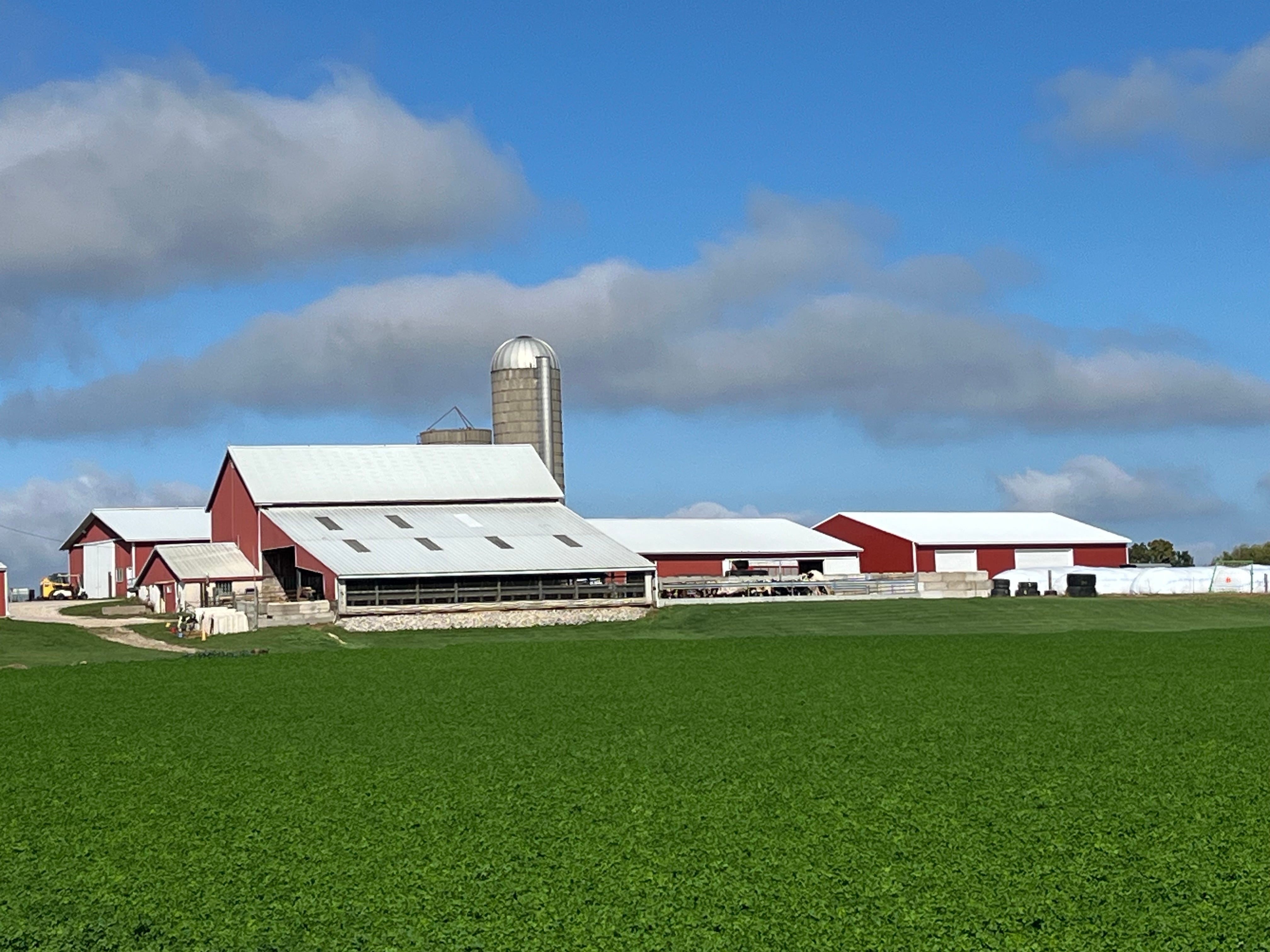
Wisconsin farmers could see stronger safety-net protections, expanded dairy and specialty crop support, new conservation opportunities, year-round E15 sales and additional investments in rural infrastructure thanks to language in the Senate Agriculture Committee's newly released Agricultural Act of 2026, known as "Farm Bill 2.0."
The proposal, unveiled by Senate Agriculture Committee Chairman John Boozman, serves as the Senate's opening roadmap in negotiations to replace the long-expired 2018 Farm Bill, according to a news release.
While the legislation still faces committee action and eventual negotiations with the House, the package contains several provisions that would directly affect Wisconsin's dairy producers, grain farmers, specialty crop growers and rural residents.
Randy Romanski, Secretary of the Wisconsin Department of Agriculture, Trade and Consumer Protection, says the Farm Bill lays a foundation for agriculture in the United States, and it’s long overdue for Congress to approve a new one.
Several priority items for Wisconsin’s agriculture industry need resolution, he said. These include strengthening support for food assistance and nutrition programming that "connect the dots between farmers and consumers"; providing new trade opportunities that help open new markets for Wisconsin products, both domestically and internationally; making investments in biofuels; and supporting conservation programs that help protect valuable land and water resources.
"Farmers deserve a cohesive and well-funded Farm Bill. I join Governor Evers in urging Congress to continue working across the aisle to advance a comprehensive Farm Bill,” Romanski said.
Stronger farm safety net included in proposal
One of the most significant items of the Senate proposal is its effort to strengthen commodity programs, crop insurance, dairy programs and disaster assistance. Lawmakers and farmers both argue that current federal farm programs no longer reflect today's production costs and challenging economic conditions. The bill would modernize risk-management tools and build upon recent investments already made in farm safety-net programs, Boozman said.
For Wisconsin farmers facing tight margins, rising input costs and weather-related losses, improvements to crop insurance and disaster programs could provide additional financial stability. Dairy producers would also benefit from updates to federal dairy support programs included in the legislation, according to the document.
What provisions are in the proposal to benefit dairy and livestock in Wisconsin?
The proposal includes expanded support for animal health programs and disease prevention efforts. It would provide additional funding opportunities for animal health initiatives, strengthen disease traceability efforts and formally codify the National Poultry Improvement Plan while creating a permanent U.S. Swine Health Improvement Plan.
For Wisconsin's dairy, poultry and livestock sectors, the focus on disease preparedness comes at a time when producers remain concerned about animal health threats and their potential impact on markets and farm profitability.
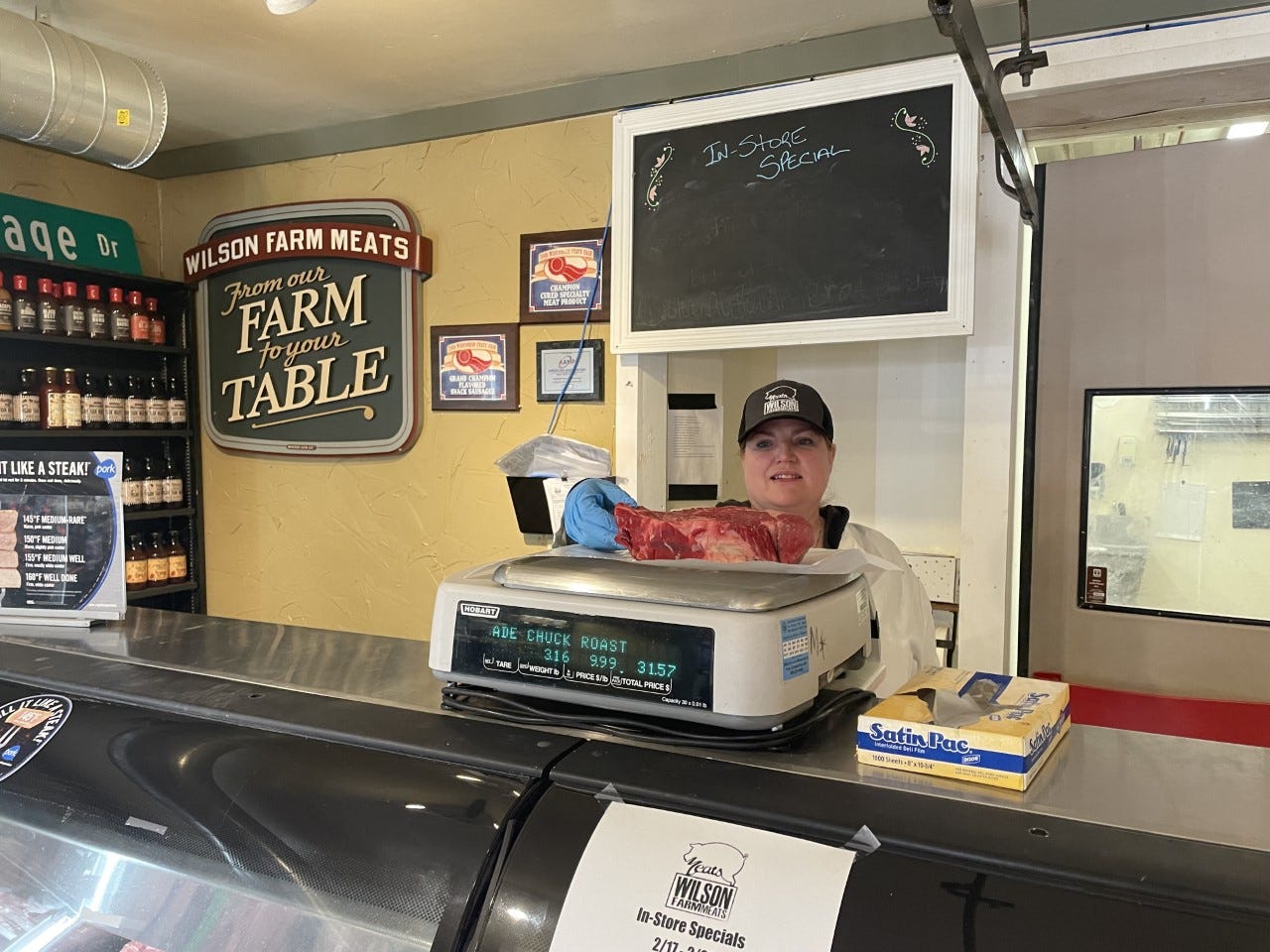
Small meat processors like Wilson Meats in Elkhorn, Wisconsin, which became increasingly important during supply-chain disruptions in recent years, would also receive additional regulatory guidance and support. The bill promotes participation in the Cooperative Interstate Shipment Program and creates a limited pathway for online interstate sales of certain state-inspected meat and poultry products.
New investments outlined for specialty crops
Wisconsin's fruit, vegetable, potato and specialty crop sectors also stand to gain.
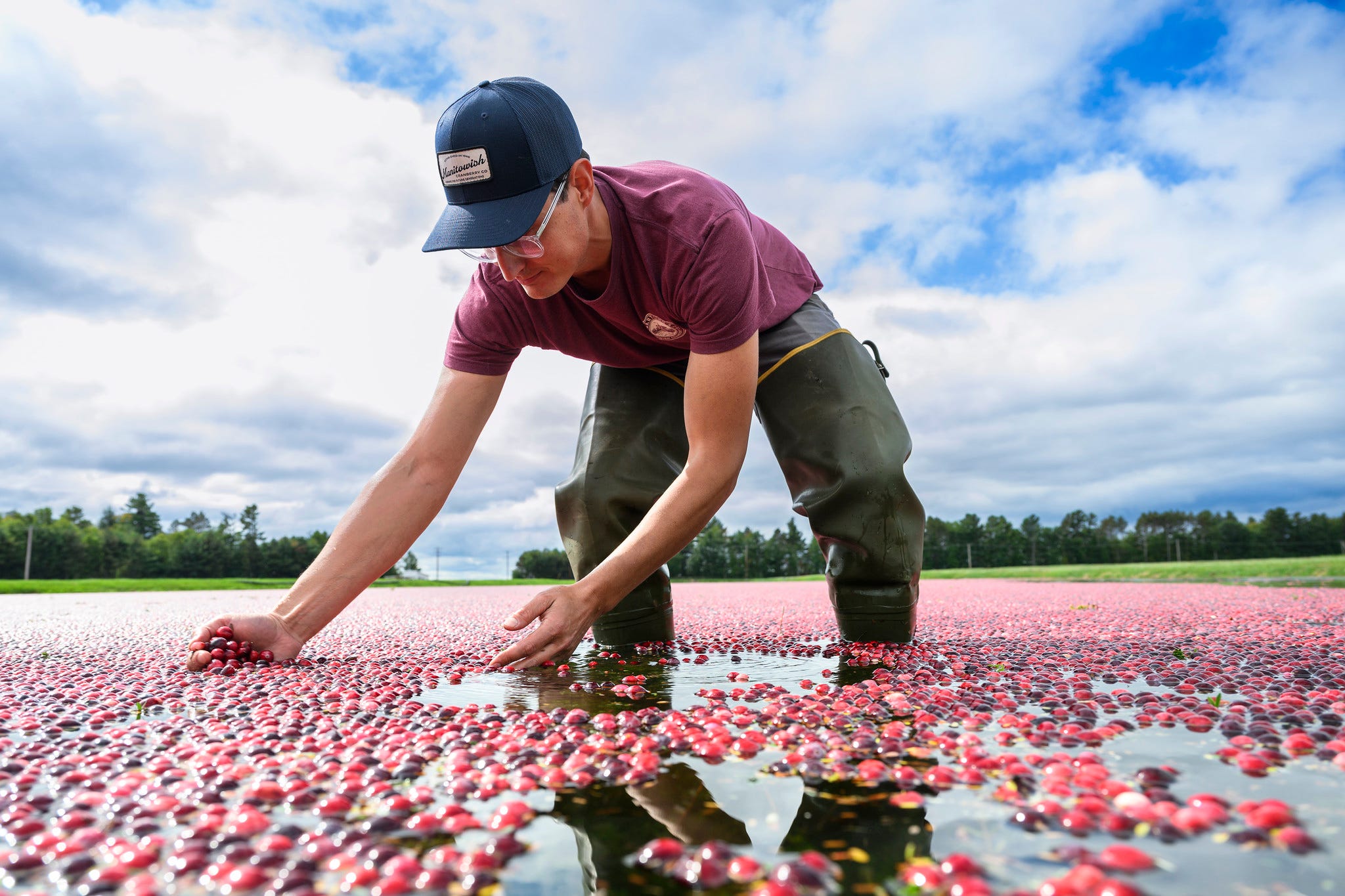
The Senate proposal would boost support for fruit, vegetable and other specialty crop growers by expanding funding opportunities and strengthening risk-management programs. It also includes investments designed to make it easier for farmers to access and benefit from federal agriculture programs.
Supporters say the changes reflect the increasingly important role specialty crops play in U.S. agriculture and acknowledge the unique production, labor and market challenges those growers face.
Advertisement
American Farm Bureau Association President Zippy Duvall said his organization is encouraged by the prospects for a bipartisan bill and highlighted provisions including expanded specialty crop investments. The Specialty Crop Farm Bill Alliance welcomed movement on the legislation while calling for additional improvements.
“We support any step that brings us closer to enacting a bipartisan five-year farm bill before the end of this year,” the group said in a statement.
That could be especially important for Wisconsin's cranberry industry, which produces more than 60% of all cranberries grown in the U.S., as well as vegetable growers and orchard operators.
Year-round E15 a win for corn growers
One of the most closely watched additions in the Senate draft is language authorizing year-round sales of E15 gasoline. The provision has long been sought by biofuel advocates including National Corn Growers Association President Jed Bower, who praised the inclusion of allowing the fuel blend year-round.
“This deregulatory action will help corn growers and the rural economy during this difficult time and will also address issues around affordability by lowering prices at the pump,” Bower said in a news release.
For Wisconsin corn growers, permanent nationwide E15 sales could help expand demand for corn-based ethanol while providing greater market certainty.
Ethanol plays a crucial role in the state’s economy and agricultural sector with nine ethanol plants operating in the state, an estimated $4.2 billion of annual economic activity, almost 20,000 jobs supported and roughly one-third of Wisconsin’s corn crop used in ethanol production.
“If we can get this across the finish line, that would be a huge win for both consumers at the pump and corn growers across the country," said Paul Jarvis, President of the Wisconsin Corn Growers Association. There is still a very long process before the Farm Bill is signed into law, and we urge the Committee to continue advancing the process ahead of the planned August recess.”
Foreign ownership, food security and SNAP
The Senate draft also includes stricter foreign farmland ownership disclosure requirements and enforcement provisions. Supporters describe the measure as an effort to enhance transparency and protect the nation's farmland and food supply. Feedstuffs reported that the issue has gained increasing attention in recent years as states and federal lawmakers have debated foreign investment in agricultural land and critical food-system assets.
Lawmakers have expressed concerns over both national and food security linked to ownership of land near military installations by foreign adversaries, particularly China. Foreign entities own about 46 million acres of U.S. agricultural land, or roughly 3.6% of privately held farmland, according to USDA data.
The bill's Supplemental Nutrition Assistance Program [SNAP] is one of the most contentious components, said Senate Agriculture Committee member Sen. Cindy Hyde-Smith, R-Miss.
“A main sticking point remains partisan disagreement over new laws cutting and structurally changing the Supplemental Nutrition Assistance Program,” Hyde-Smith said in a news release. In order for the legislation to move forward, committee members must win bipartisan support.
What happens next?
The Senate proposal remains a discussion draft and is not yet law. The bill must first advance through the Senate Agriculture Committee before lawmakers reconcile differences with the House-passed version. Current farm bill authorities have been extended through Sept. 30, giving Congress additional time to complete the process, according to Boozman.
For Wisconsin agriculture, however, the Senate draft offers an early look at what could become the most significant update to federal farm policy since 2018. Whether it's stronger dairy support, expanded conservation options, new specialty crop investments, year-round E15 or improved rural infrastructure, many of the proposal's largest provisions would reach well beyond the farm gate and affect communities across rural Wisconsin.
This article originally appeared on Wisconsin State Farmer: Dairy, E15 and specialty crops: What's in the Senate Farm Bill for Wisconsin?
Source: “AOL Money”
